Datong and Yungang Grottoes – Northern China’s Stone Legacy
Visited (self-confirmed) April 2025
Updated Apr 21, 2025 by Jan Paul Buchwald
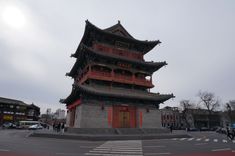
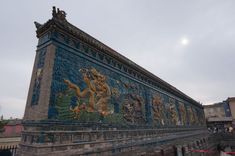
After arriving in Datong in the afternoon, I had just a few hours of daylight to explore the city’s compact but historically rich center. I started at the Bell Tower, a traditional wooden structure in the heart of town, then continued to the impressive Nine-Dragon Screen - a colorful glazed wall from the Ming dynasty, intricately decorated with dragons in dynamic motion.
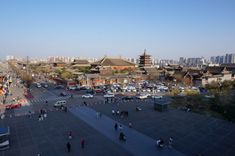
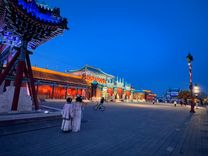
I also visited the Shanhua Temple, one of the oldest and best-preserved temples in Datong, known for its tranquil courtyards and wooden halls dating back to the Liao and Jin dynasties. To round off the evening, I walked a significant portion of Datong’s reconstructed city wall - covering about three-quarters of its length - sometimes from above and sometimes alongside, taking in the surrounding mix of ancient and modern architecture.
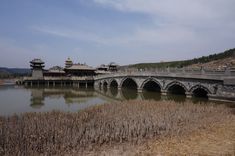
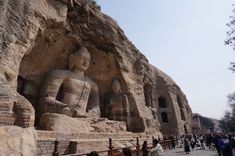
The next morning, I set out for the region’s true highlight: the Yungang Grottoes, located about 16 km west of the city. I spent around three hours exploring this UNESCO World Heritage Site, which features a series of caves carved into sandstone cliffs, created during the 5th and 6th centuries under the Northern Wei Dynasty.
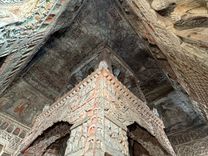
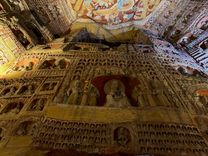
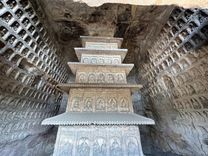
While some of the grottoes and the museum were closed, many of the most significant caves were accessible and deeply impressive. In particular, the larger caves like No. 5 and No. 6 revealed colossal Buddha statues seated in meditation, surrounded by richly detailed carvings of bodhisattvas, dancers, celestial beings, and intricate lotus motifs on the ceilings. Other caves displayed more intimate chapels, filled with hundreds of smaller, repetitively carved Buddhas in wall niches—an awe-inspiring sight in its own right.
Even without full access, the experience was powerful. The scale, artistry, and spiritual depth of the site leave no doubt as to why Yungang remains one of the most important Buddhist cave complexes in China.
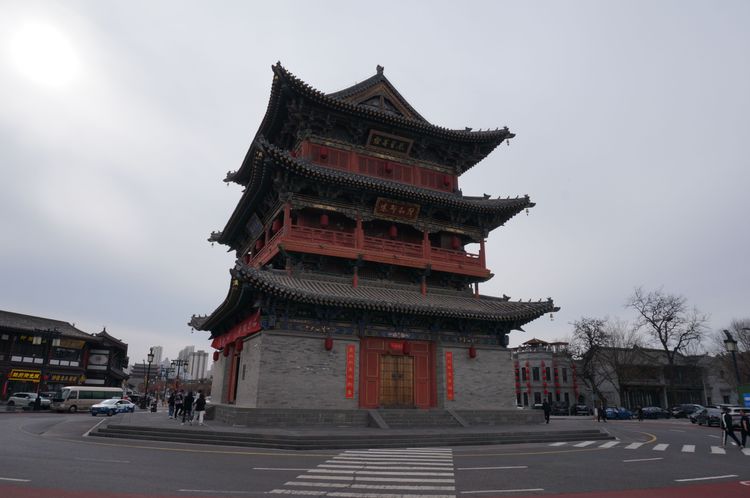
Datong Bell Tower