Bonn & Siebengebirge - Rhine Views, Castles and German History
Visited (self-confirmed) May 2026
Updated 2026-05-28 by Jan Paul Buchwald
My day in the Bonn region combined hiking, historic landmarks, and some of Germany’s most important museums.
The day began in Rhöndorf, where I visited the former home of Konrad Adenauer, the first Chancellor of the Federal Republic of Germany. Even without joining the guided tour, the exhibition and gardens provided an interesting introduction to post-war German history.
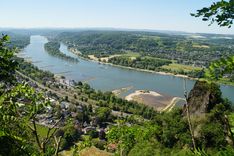
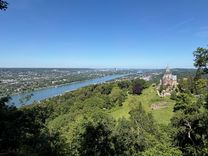
From there, I followed hiking trails up into the Siebengebirge, reaching Drachenfels with its famous Rhine panorama. The views over the river valley are among the finest in the region. Nearby, Schloss Drachenburg proved equally impressive, a lavish 19th-century palace that looks more like a fairytale castle than a traditional residence.
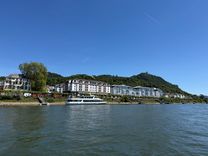
Descending to Königswinter, I crossed the Rhine by ferry and continued to Bad Godesberg, where a short climb to the castle ruins offered another perspective over the surrounding area.
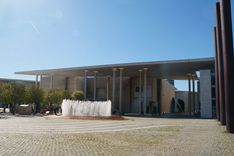
The afternoon focused on Bonn’s museum district. The Haus der Geschichte stood out as one of the most engaging history museums I have visited, covering German history from 1945 to the present day through original artifacts and interactive exhibits. I also visited the Kunstmuseum Bonn, while admiring the architecture of the nearby Bundeskunsthalle from the outside.
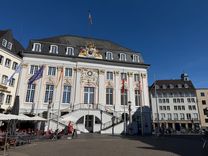
Before returning home, I spent some time in Bonn’s city center, visiting Beethoven-Haus, the birthplace of Ludwig van Beethoven, and strolling through the historic streets and along the Rhine promenade.
Overall, the combination of scenic hiking, Rhine landscapes, political history, and cultural attractions makes Bonn and the Siebengebirge a highly rewarding destination that offers considerably more than many visitors might expect.
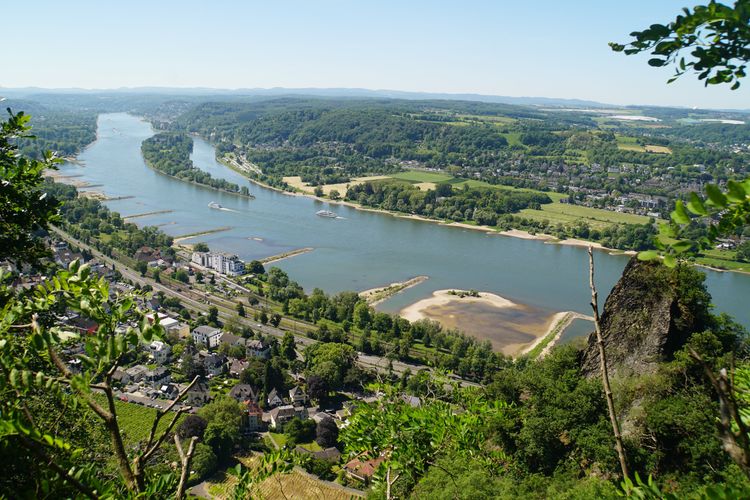
View from Drachenfels