Place: Krakow
History, Heritage, and Contrasts on a Long Summer Weekend
Visited (self-confirmed) July 2025
Updated 2025-07-21 by Jan Paul Buchwald
For a long weekend in July 2025, I travelled overnight by night train from Munich, arriving early Friday morning in Oświęcim for a deeply sobering but essential visit to the Auschwitz-Birkenau Memorial and Museum. With most areas only accessible via guided tours, I spent the morning there, reflecting on this weighty chapter of history before catching a regional train to Kraków.
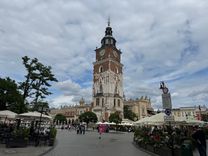
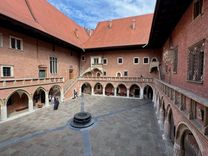
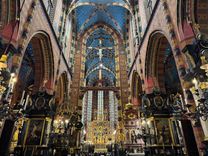
Arriving by early afternoon, I dove straight into sightseeing in Kraków’s Old Town. The highlight was the Rynek Główny, Europe’s largest medieval market square, featuring the Cloth Hall (Sukiennice), St. Mary’s Basilica with its famous altarpiece, and the Town Hall Tower. I also explored the Rynek Underground Museum, which cleverly showcases excavated medieval foundations beneath the square. Beyond that, I wandered through Collegium Maius (the oldest building of the Jagiellonian University), admired several historic churches, and walked along the surviving sections of the City Defense Walls.
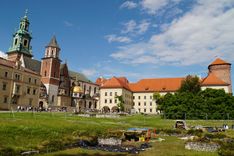
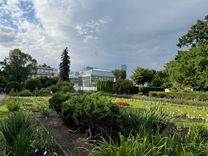
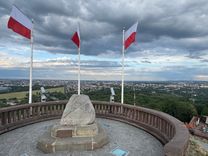
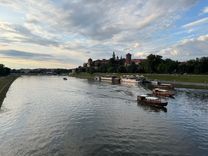
Saturday was dedicated to Kazimierz, Kraków’s historic Jewish quarter. I visited the Old Synagogue, the Galicia Jewish Museum, the lively Plac Nowy, and the Pauline Church of SS. Michael and Stanislaus on Skałka, a site important in Polish religious history. From there, I headed up to the Wawel Royal Castle, taking a highlight tour of its most important rooms, stopping in the castle gardens, and visiting the Wawel Cathedral, with its royal tombs and the Sigismund Bell. Later in the afternoon, I crossed town to the Botanic Garden of the Jagiellonian University in the east, and finished the day with a climb up the Kopiec Kościuszki in the west, enjoying sweeping views over the city.
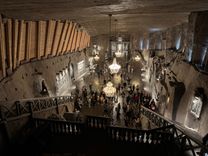
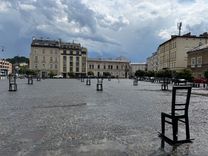
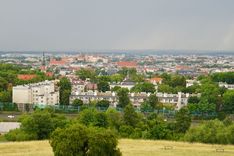
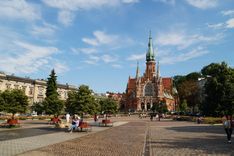
Sunday began early with a tourist route through the Wieliczka Salt Mine about 10 kilometers south of the city, including the underground museum section and a visit to the graduation tower above ground. Returning to Kraków in the afternoon, I spent my last hours in the Podgórze district. While I couldn’t get a ticket for Schindler’s Factory Museum (which was sold out), I visited the Museum of Contemporary Art in Kraków (MOCAK) next door, then followed a walking route through lesser-known corners of the area. Highlights included climbing the Kopiec Krakusa (Krakus Mound) for its excellent panoramic view, and ending at the Rynek Podgórski with the impressive Church of St. Joseph.
Overall, Kraków offered a powerful mix of medieval architecture, poignant history, Jewish heritage, and green urban spaces. While it’s undeniably popular with tourists in summer, the city remains deeply rewarding for anyone willing to dive into its many layers.
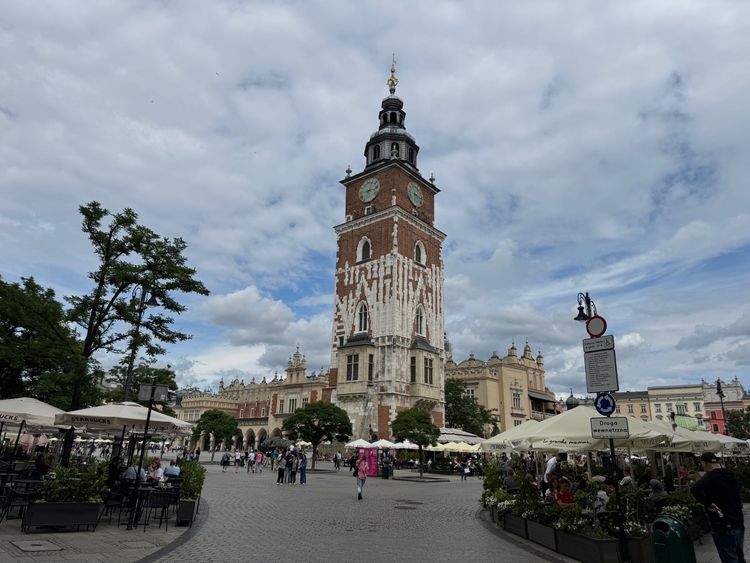
Rynek Główny with Town Hall Tower