Friuli - Roman Heritage, Lombard History and Elegant Historic Towns
Visited (self-confirmed) July 2026
Updated 2026-07-26 by Jan Paul Buchwald
Friuli-Venezia Giulia is often overlooked by visitors heading to Venice or the Dolomites, yet it offers an exceptional combination of Roman archaeology, medieval history and charming towns within relatively short driving distances. Exploring Aquileia, Cividale del Friuli and Udine in a single day provided an excellent introduction to one of Italy's most culturally rich but least-visited regions.
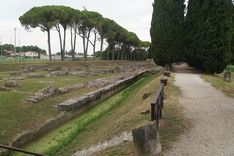
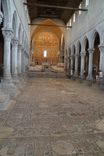
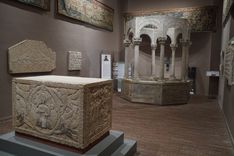
The journey began in Aquileia, once one of the largest and most important cities of the Roman Empire. Today, the town is a UNESCO World Heritage Site where archaeological remains are spread throughout the historic centre, giving visitors the feeling of walking through an ancient city rather than a traditional museum. Highlights include the remains of the Roman Forum, the River Port, and the impressive Domus of Tito Macro, whose reconstructed sections illustrate the scale and sophistication of Roman urban life. Aquileia's greatest treasure is the Basilica of Santa Maria Assunta, famous for its magnificent fourth-century mosaic floor, one of the largest and best-preserved early Christian mosaics in Europe. Nearby, the Episcopal Palace and archaeological areas further illustrate the city's importance during Late Antiquity. A visit to the excellent National Archaeological Museum completes the experience by placing the extensive excavations into historical context through sculptures, mosaics, inscriptions and everyday Roman artefacts.
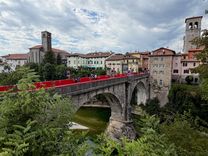
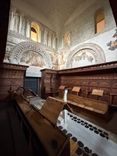
Continuing north, Cividale del Friuli presents a completely different chapter of history. Founded by Julius Caesar and later becoming the capital of the Lombard Duchy of Friuli, the town preserves some of the most significant Lombard monuments in Europe. The dramatic Devil's Bridge (Ponte del Diavolo) offers beautiful views over the Natisone River and serves as the gateway to the historic centre. The beautifully preserved Tempietto Longobardo, with its remarkable early medieval decoration, is among the finest surviving examples of Lombard architecture, while the Cathedral and the adjoining Christian Museum further highlight the town's cultural and religious heritage.
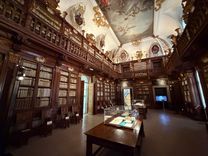
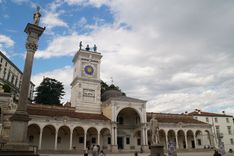
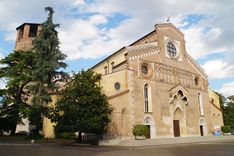
The day concluded in Udine, the historic capital of Friuli. Although less internationally known than many Italian cities, Udine impressed me with its elegant Venetian atmosphere, spacious squares and relaxed pace. The outstanding Diocesan Museum and Tiepolo Galleries showcase the masterpieces of Giambattista Tiepolo, whose frescoes are among the city's artistic highlights. From there, wandering through the historic centre revealed attractive landmarks such as Piazza della Libertà, often described as one of the most beautiful Venetian-style squares on the mainland, the hilltop Udine Castle, the Cathedral, and numerous churches, arcaded streets and quiet piazzas. The day ended perfectly with traditional Friulian cuisine, offering another opportunity to experience the region's distinct identity, which blends Italian, Austrian and Slovenian influences.
Overall, Friuli exceeded my expectations with its remarkable historical diversity and the absence of large tourist crowds. From the grandeur of ancient Aquileia to the Lombard heritage of Cividale and the elegant streets of Udine, the region offers a rewarding journey through more than two thousand years of European history and is well worth exploring beyond Italy's better-known destinations.
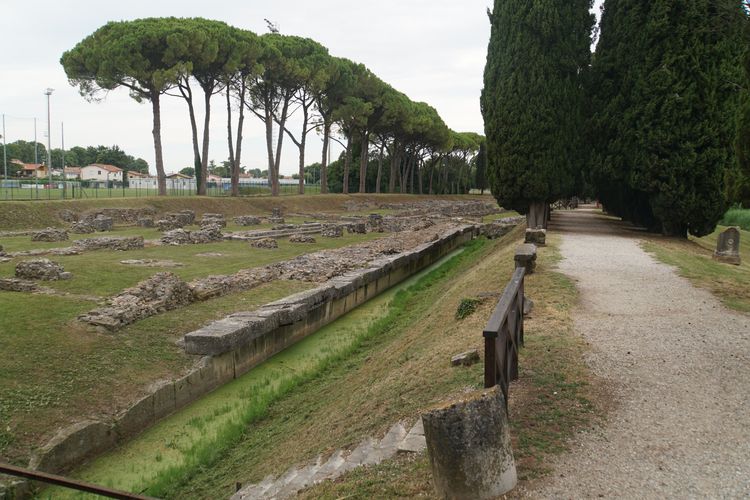
Aquileia Via Antica