Place: Venice
Timeless Canals, World-Class Art and Historic Neighbourhoods
Visited (self-confirmed) July 2026
Updated 2026-07-25 by Jan Paul Buchwald
Few cities in the world are as instantly recognisable as Venice, and after spending two full days exploring its canals, museums, churches and historic districts, it fully lived up to its reputation. While Venice attracts enormous numbers of visitors, especially around St. Mark's Square, the city rewards those who venture beyond its busiest streets with quieter neighbourhoods, remarkable architecture and a unique atmosphere found nowhere else.
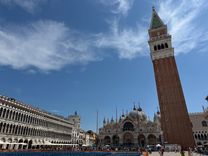
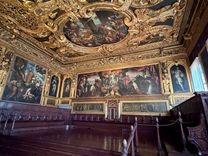
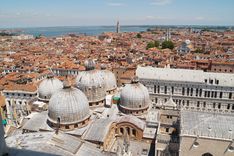
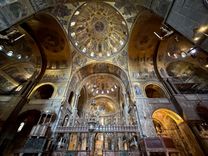
The heart of Venice is Piazza San Marco, surrounded by some of the city's most important landmarks. The magnificent Doge's Palace provides a fascinating insight into the history of the Venetian Republic through its lavish state rooms, political institutions and the famous Bridge of Sighs. Adjacent to it, St. Mark's Basilica impresses with its extraordinary Byzantine mosaics, opulent decoration and museum, while climbing the Campanile offers sweeping views across the rooftops, the lagoon and the surrounding islands. The square is also home to the excellent Museo Correr, whose collections trace the political, artistic and social history of Venice. Combined with the National Archaeological Museum and the monumental rooms of the Biblioteca Nazionale Marciana, it forms one of the city's most comprehensive museum experiences.
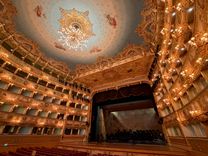
Music has always been closely connected with Venice, and a visit to the beautifully restored Teatro La Fenice reveals the rich operatic tradition that has shaped the city's cultural identity. The self-guided multimedia tour provides an engaging look behind the scenes of one of Italy's most prestigious opera houses.
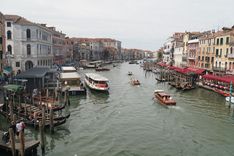
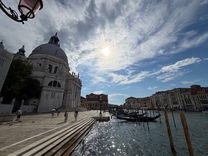
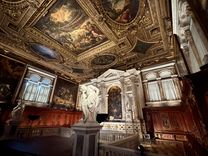
Beyond San Marco, Venice reveals a very different character. Crossing the Grand Canal by vaporetto offers constantly changing perspectives of palaces and churches lining the waterways. In Dorsoduro, the elegant Gallerie dell'Accademia houses one of the finest collections of Venetian painting, while nearby Scuola Grande di San Rocco is renowned for its spectacular Tintoretto masterpieces. The monumental Basilica di Santa Maria Gloriosa dei Frari is another artistic highlight, containing works by Titian and other Renaissance masters.
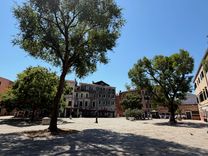
Following the Grand Canal further north, the Ca' Pesaro combines impressive Baroque architecture with collections of modern and oriental art. Equally memorable was exploring Cannaregio, one of Venice's quieter districts. The historic Jewish Ghetto, established in the sixteenth century as the world's first officially designated ghetto, offers an important perspective on Venice's multicultural history. Visiting its historic synagogues and learning about the community through a guided tour added another layer to understanding the city's past.
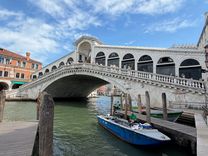
Of course, no visit to Venice would be complete without simply wandering. Crossing historic bridges, following narrow alleys, travelling by vaporetto along the Grand Canal and strolling along the waterfront all contribute as much to the experience as the famous landmarks themselves. Even away from the major attractions, Venice constantly reveals picturesque canals, hidden courtyards and unexpected architectural details.
Overall, Venice is far more than a collection of postcard views. Its unique urban landscape, extraordinary artistic heritage and centuries of maritime history combine to create one of Europe's truly exceptional destinations. Despite the inevitable crowds, it remains a city that fully deserves its reputation and is one of the highlights of any trip to Italy.
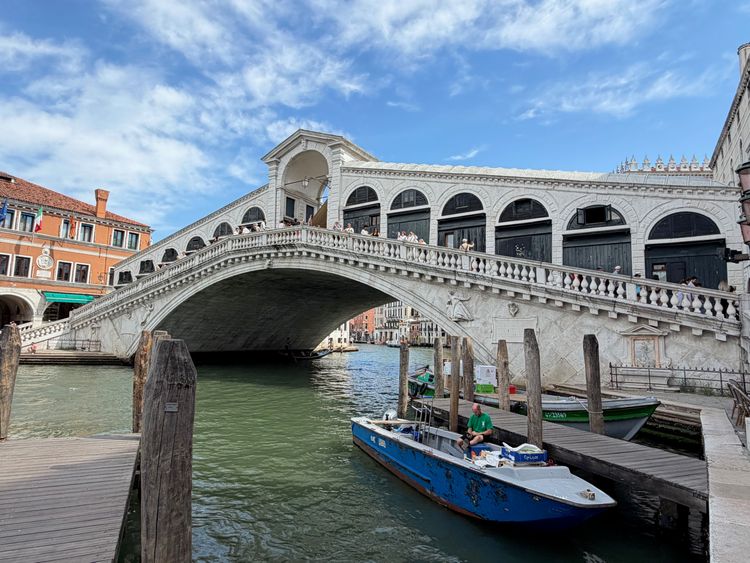
Rialto Bridge