Curonian Spit - Dunes, Coastal Landscapes and Seaside Villages
Visited (self-confirmed) June 2026
Updated 2026-06-16 by Jan Paul Buchwald
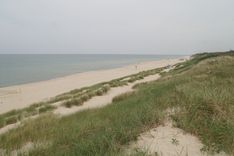
The Curonian Spit is one of the most distinctive landscapes in the Baltic region and was the highlight of my short stay in western Lithuania. This narrow peninsula, shared by Lithuania and Russia and protected as a UNESCO World Heritage Site, combines vast sand dunes, pine forests, traditional fishing villages, and long stretches of unspoiled coastline.
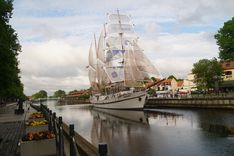
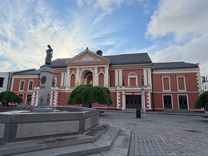
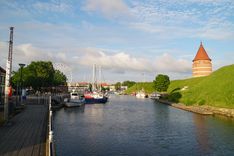
Before visiting the spit itself, I spent an evening in Klaipėda, Lithuania’s main port city. A walk through the compact old town included Theatre Square, the historic harbor area, and the remains of Klaipėda Castle, offering a brief introduction to the city’s maritime character.
The following day I crossed the lagoon by vehicle ferry and spent most of my time exploring the Curonian Spit. The southern village of Nida proved to be the highlight. From there I followed an extensive walking route that combined several of the area’s most famous sights. Long sandy beaches along the Baltic Sea, quiet forest trails, traditional wooden houses, and sweeping dune landscapes create a very different atmosphere from most other parts of Lithuania.
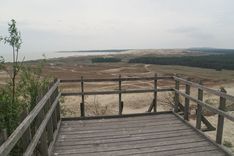
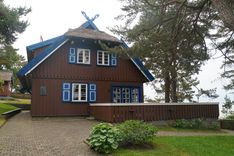
Among the most impressive locations was the Parnidis Dune, one of the largest shifting dunes in Europe, offering panoramic views across the Curonian Lagoon, the Baltic coast, and the surrounding landscape. I also passed the Nida Lighthouse, explored parts of the village itself, and visited several smaller museums, including the former summer residence of German writer Thomas Mann, who spent several summers here in the 1930s. Unfortunately, the nearby Amber Gallery was fully booked during my visit.
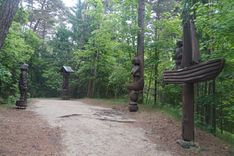
On the return journey north, I stopped in Juodkrantė, another attractive village known for its waterfront promenade and the unusual Hill of Witches, an open-air forest trail featuring dozens of wooden sculptures inspired by Lithuanian folklore and mythology.
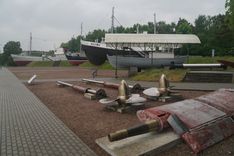
Before leaving the peninsula, I visited the Lithuanian Sea Museum, located at the northern tip of the spit in a restored coastal fortress. Its exhibitions provide a good overview of maritime history, marine life, and the relationship between people and the Baltic Sea.
Overall, the Curonian Spit offers a unique combination of nature, culture, and coastal scenery. While the individual attractions are relatively modest, the overall landscape and atmosphere make it one of the most memorable destinations in Lithuania and a worthwhile excursion from Klaipėda.
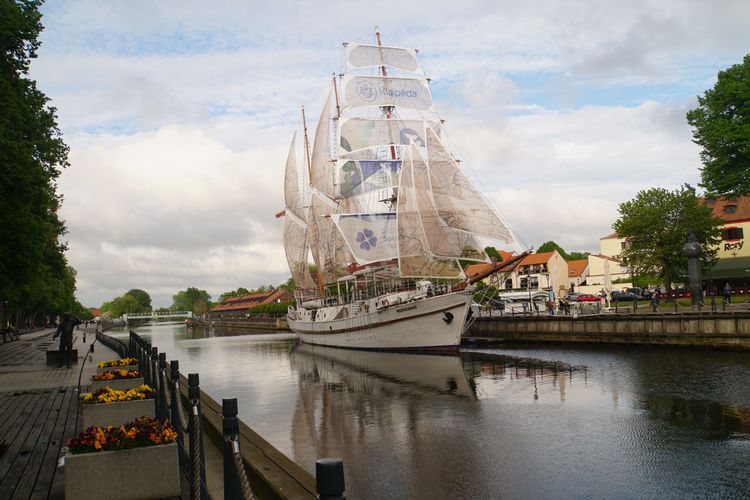
Klaipėda