Gran Canaria - A Diverse Island Between City Life, Volcanoes and Atlantic Cliffs
Visited (self-confirmed) February 2026
Updated 2026-03-04 by Jan Paul Buchwald
I spent almost six weeks on Gran Canaria for a workation, using Las Palmas as my base. While working during weekdays, I explored the island during evenings and weekends, making several longer excursions by bus and rental car. Over time, this allowed me to see a surprisingly wide range of landscapes from historic towns and volcanic mountains to dunes and dramatic coastal cliffs.
Las Palmas – Historic Core and Ocean Promenade
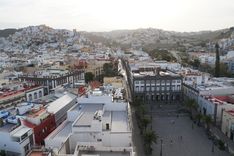
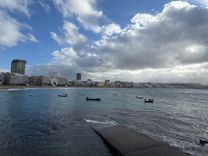
Most days started or ended in Las Palmas, where I explored the historic Vegueta district, including Casa de Colón, Museo Canario, and the Cathedral of Santa Ana, whose bell tower offers a good overview of the old town. The city stretches north along the coast to Playa de Las Canteras, one of the best urban beaches in Europe, with a long promenade and views toward the rugged El Confital peninsula.
During shorter excursions I also visited the Museo Elder science museum, the Poema del Mar Aquarium, the Castillo de la Luz, and the lively Mercado del Puerto. Several miradores around the city offer sweeping views over Las Palmas and the Atlantic.
Southern Coast – Beaches and Sand Dunes
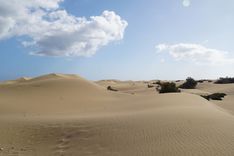
A weekend trip by bus took me to Maspalomas, where the vast sand dunes form one of the most distinctive landscapes of the Canary Islands. Walking through the dunes feels almost desert-like, contrasting sharply with the surrounding resort areas.
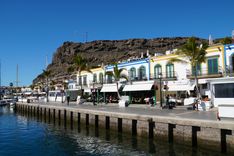
Another excursion reached the southwest coast with stops in Puerto Rico and Puerto de Mogán, a picturesque harbor town sometimes nicknamed “Little Venice.” From there, the spectacular GC-200 coastal road follows steep cliffs along the wild western shoreline.
Northern Villages and Rugged Coast
Exploring the north revealed a different side of the island. In Gáldar, I visited the Cueva Pintada archaeological site, famous for its preserved pre-Hispanic cave paintings created by the island’s original inhabitants (the Guanches). The museum and excavation site provide a fascinating insight into Gran Canaria’s indigenous culture, though photography is not allowed inside.
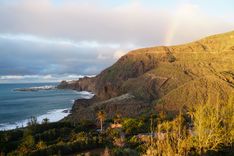
Nearby Agaete sits in a lush valley opening to the Atlantic and offers a pleasant contrast to the more arid parts of the island. I also walked along parts of the northern coastline near Las Palmas, where waves crash against volcanic rock formations.
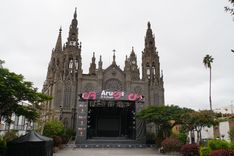
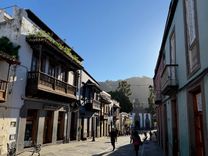
Other highlights included Arucas, known for its striking neo-Gothic church and the viewpoint from Montaña de Arucas, as well as Teror, a charming pilgrimage town with traditional wooden balconies.
The Volcanic Interior
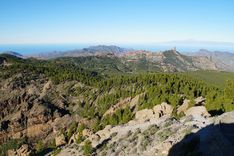
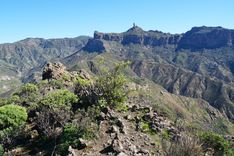
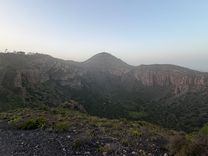
The mountainous center of Gran Canaria turned out to be the island’s most impressive region. A scenic drive led to Pico de las Nieves, the island’s highest point, followed by a longer hike around Roque Nublo, the island’s iconic volcanic rock formation.
Nearby, the dramatic landscapes around Roque Bentayga and the mountain village of Tejeda offer some of the best panoramic views on the island. Other inland stops included the Bandama volcanic crater, a visit to a local winery, and the beautiful Jardín Botánico Canario, showcasing the islands’ unique plant life.
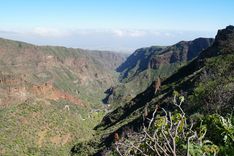
One of the more adventurous outings led into the dramatic Barranco de Guayadeque, a deep valley in the island’s interior known for its cave dwellings and rock-hewn restaurants. A long hike through the valley revealed impressive volcanic scenery before continuing to the historic town of Agüimes, where I eventually caught the bus back to Las Palmas.
Overall Impression
Gran Canaria offers an impressive diversity within a relatively small island: historic towns, volcanic mountains, rugged coastlines, and vibrant city life. While some coastal resort areas feel heavily developed, the island’s interior landscapes and northern villages are particularly rewarding to explore.
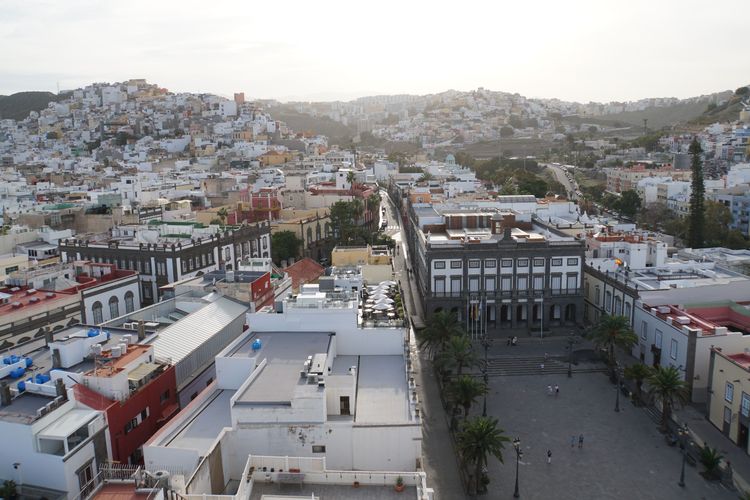
Las Palmas View from Cathedral Bell Tower